How an All-in-One Hybrid System Works
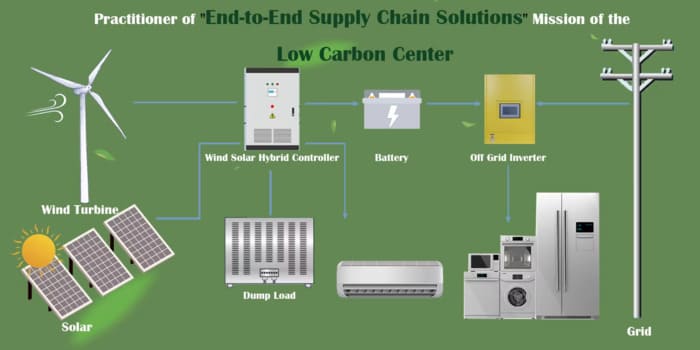
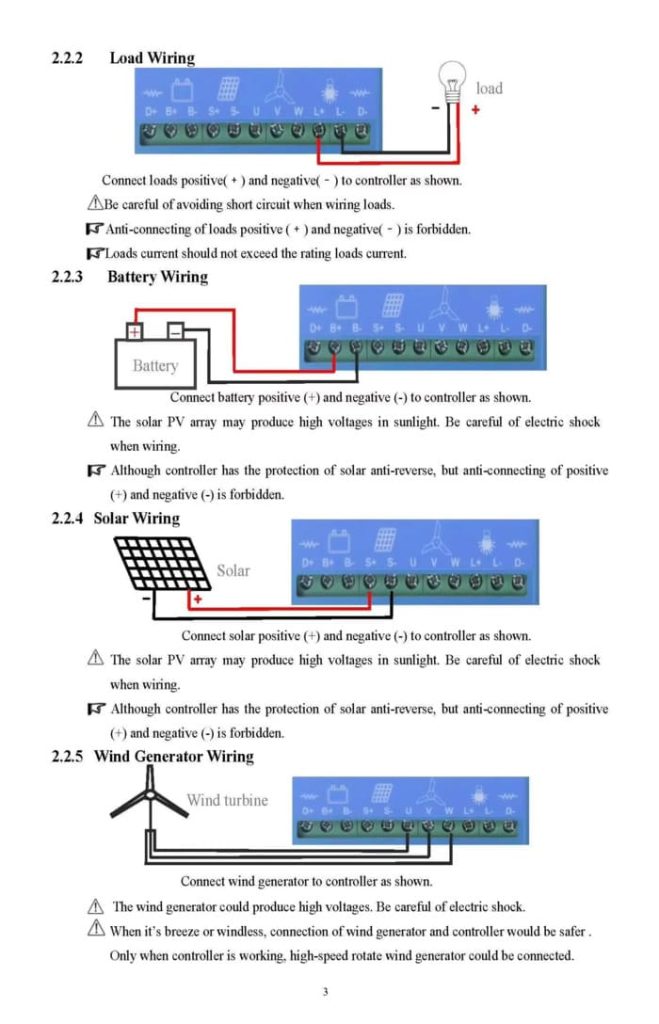
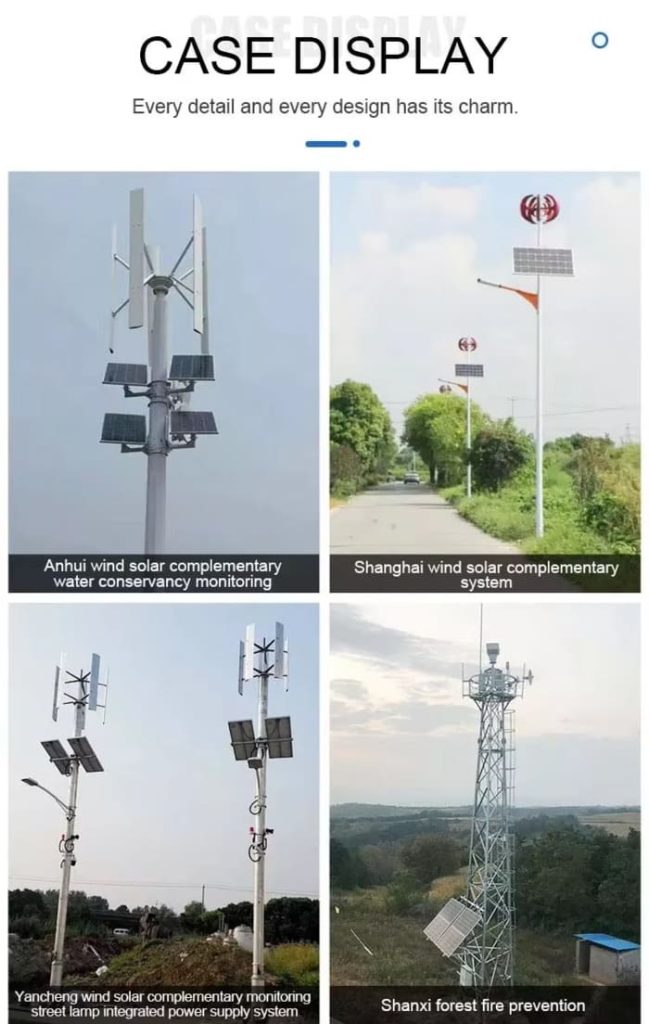
The “all-in-one” aspect is most critical in the system’s intelligent controller, which seamlessly manages the two power sources to provide more reliable electricity .
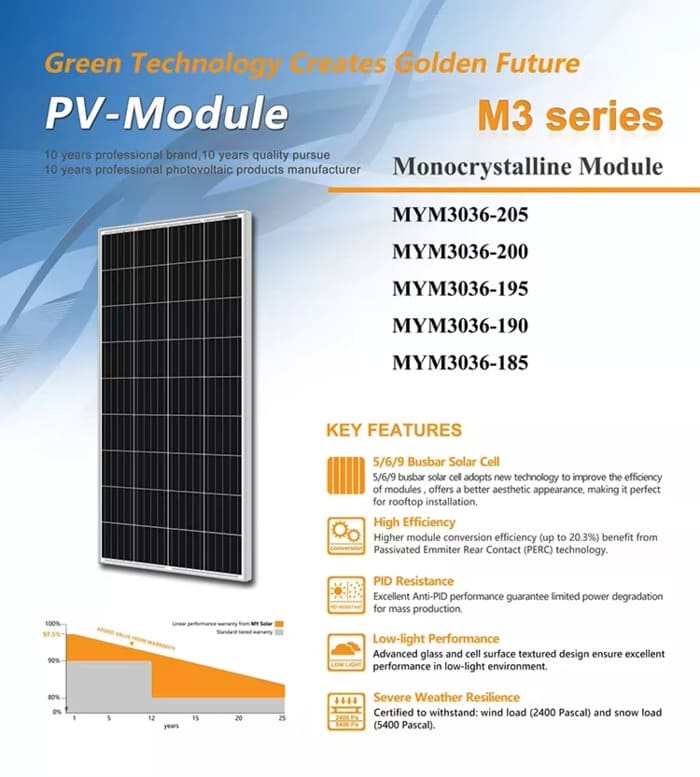
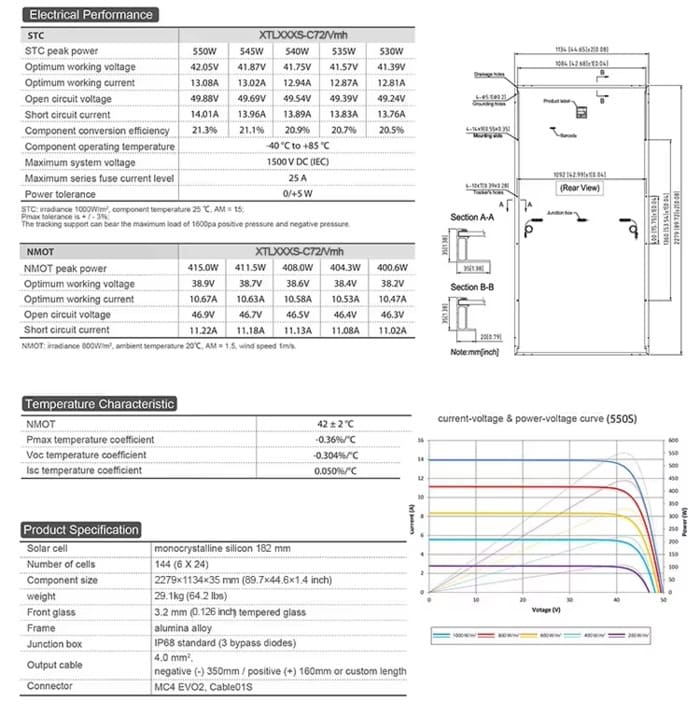
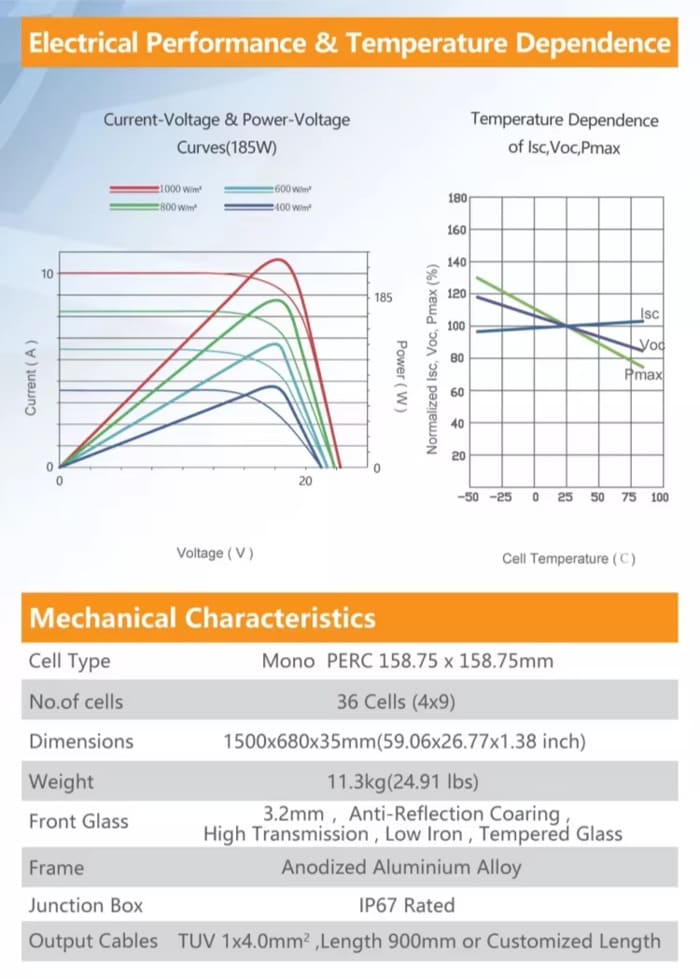
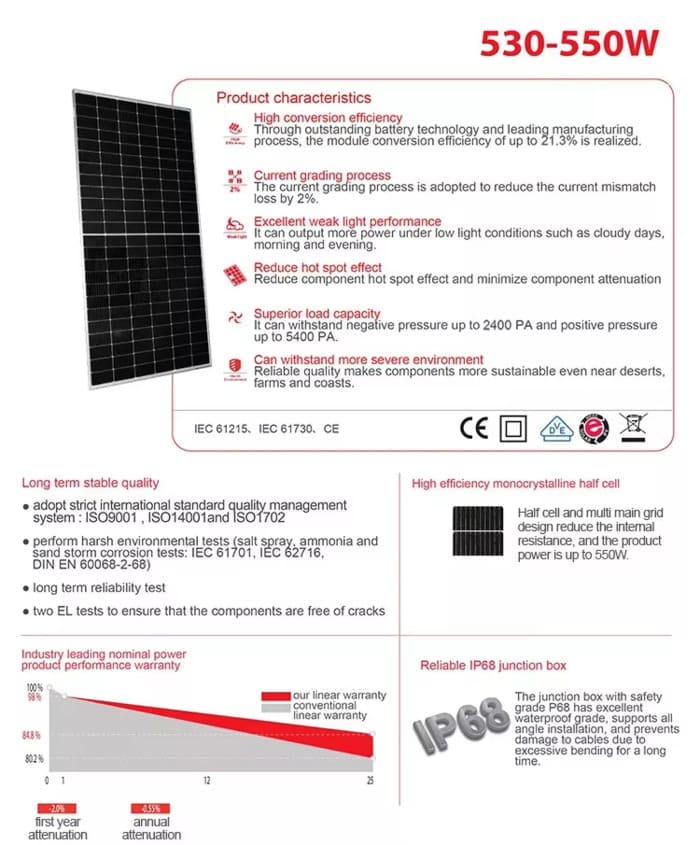
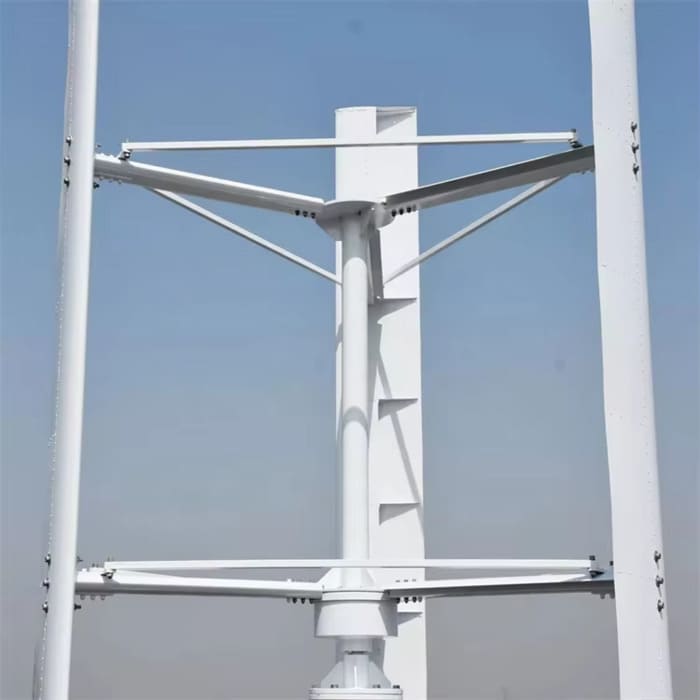
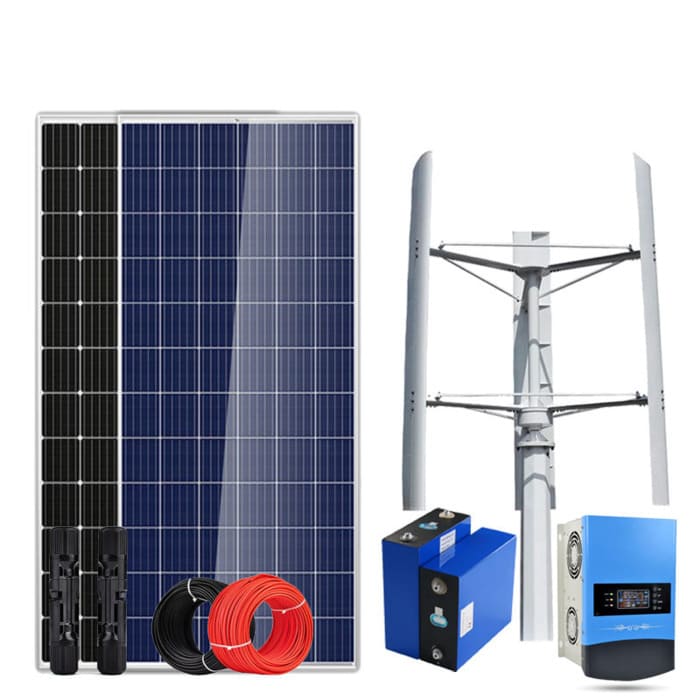
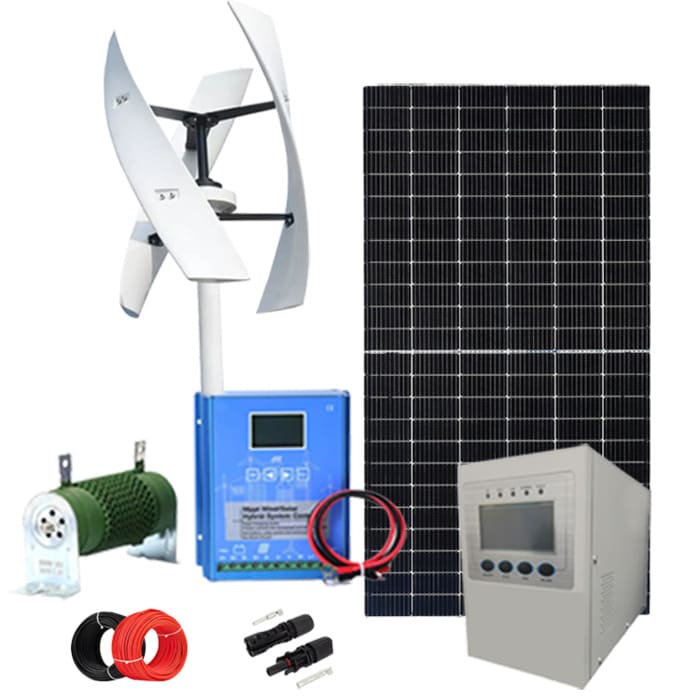
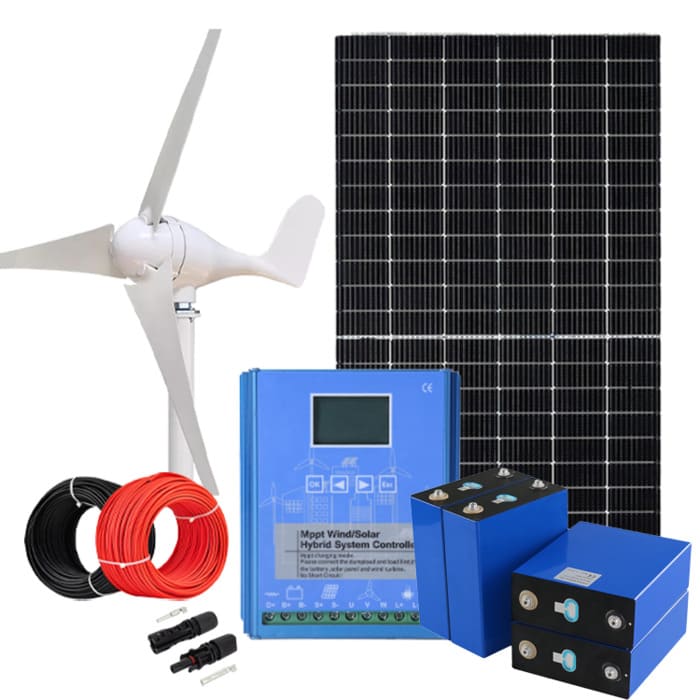
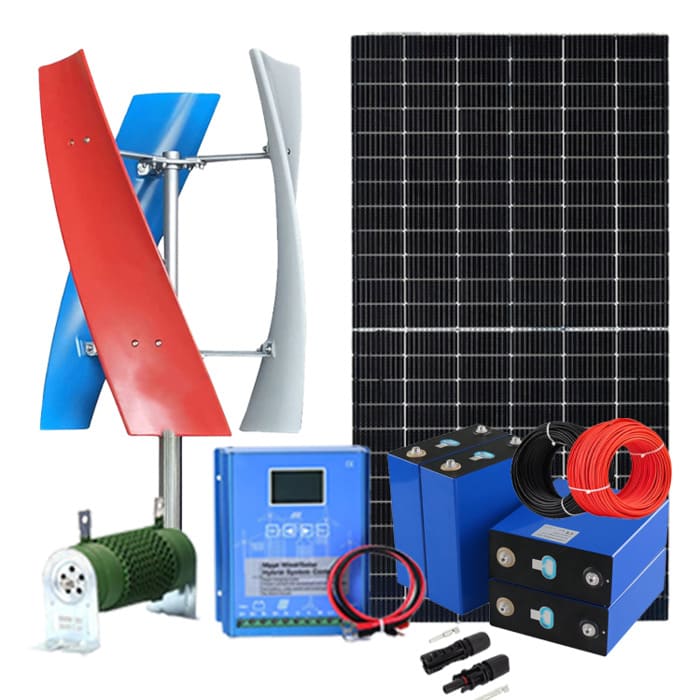
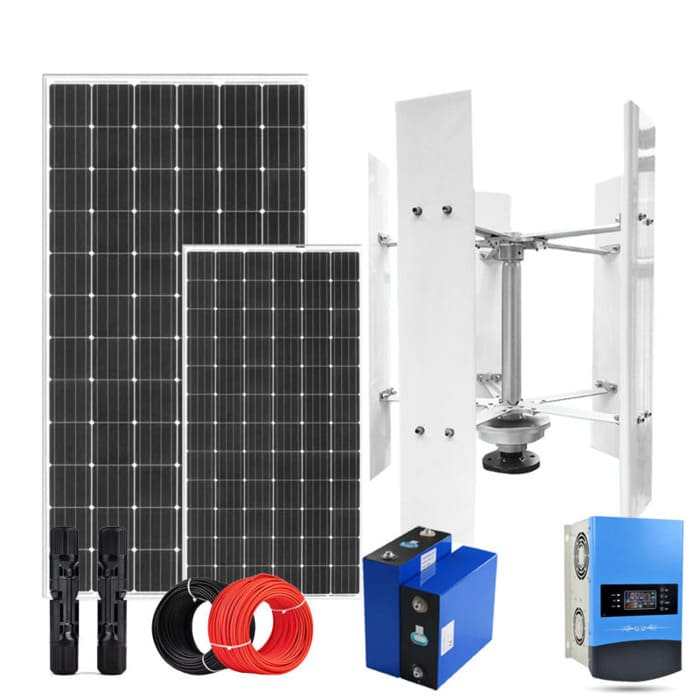
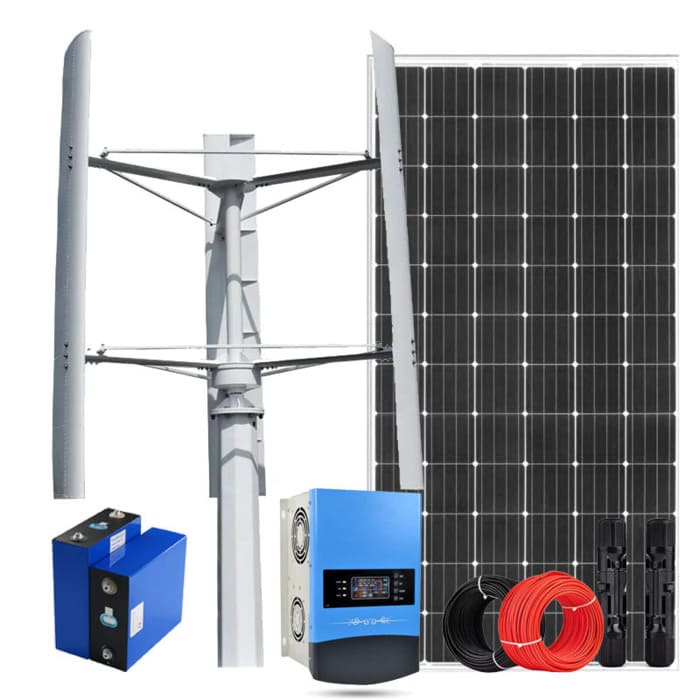
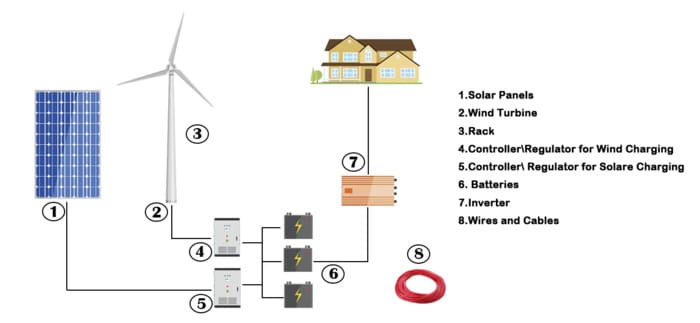
The Power Generators: Solar panels generate DC electricity from sunlight, while a wind turbine generates DC electricity from the wind. These two sources are naturally complementary—solar peaks during the day, while wind can be stronger at night and during storms .
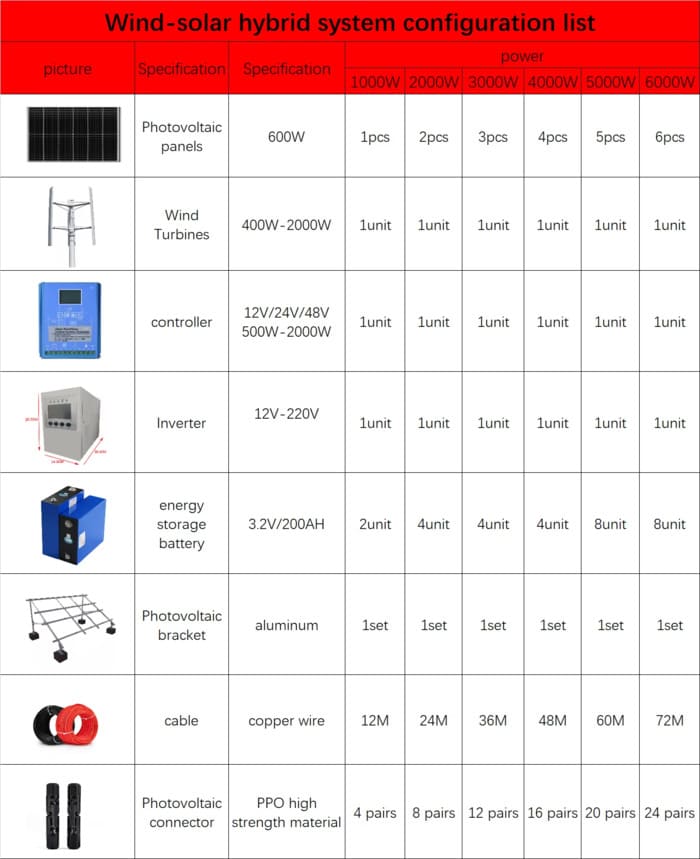
The Brain – Hybrid Controller: This is the core component. It is an intelligent device that regulates the power coming from both the turbine and the panels. Its primary job is to manage the flow of electricity to prevent overcharging and damaging the batteries .
The Reservoir – Battery Bank: Because the sun doesn’t always shine and the wind doesn’t always blow, batteries are essential. They store excess energy produced during peak times for use when generation is low, such as at night .
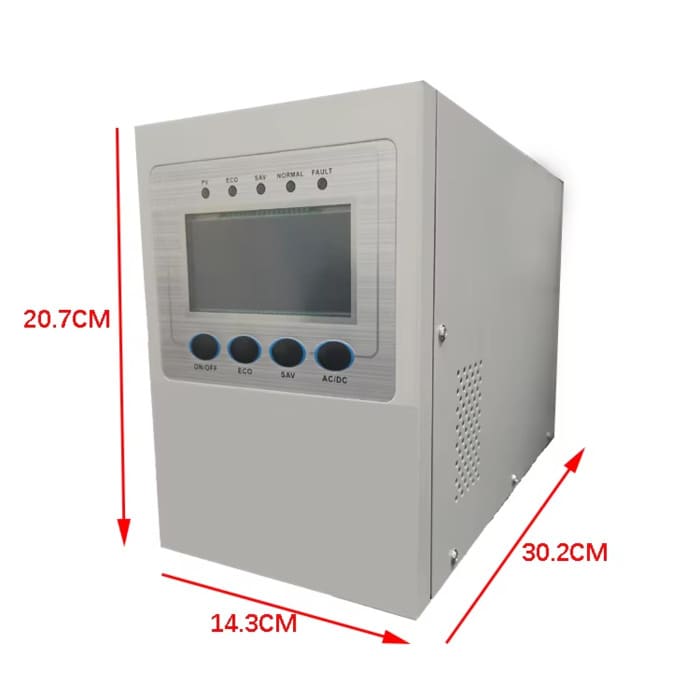
The Translator – Inverter: Your home appliances run on AC power, but the power stored in the batteries is DC. The inverter converts DC power from the batteries into usable AC power for your lights, refrigerator, and other devices.
Advantages:
More Reliable Power: By using two complementary sources, the system has less downtime and can generate power for more hours of the day .
Potentially Longer Battery Life: A steadier charging flow from two sources can reduce the depth of discharge cycles for batteries, potentially extending their lifespan
*Maximum efficiency 99.6%
*High efficiency inverter, low no-load loss
*Fully automated maintenance
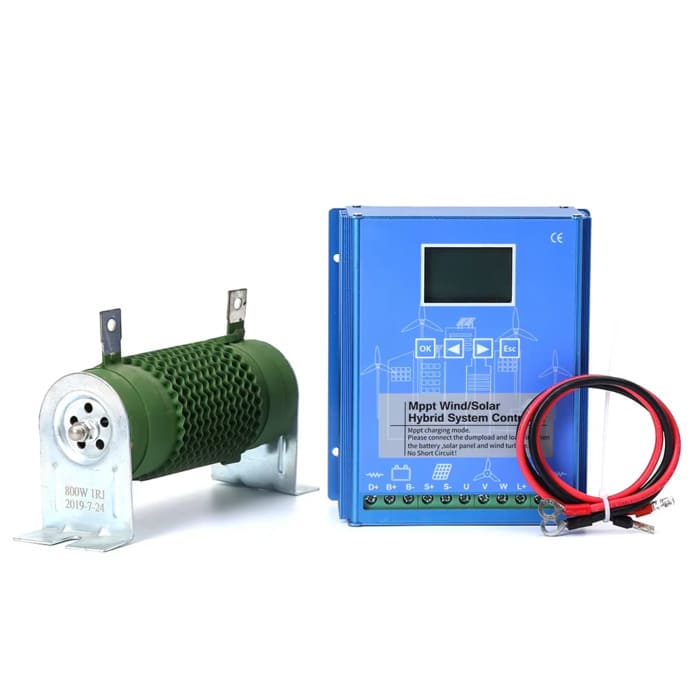
*MPPT maximizes solar module efficacy
*Automatic day and night detection
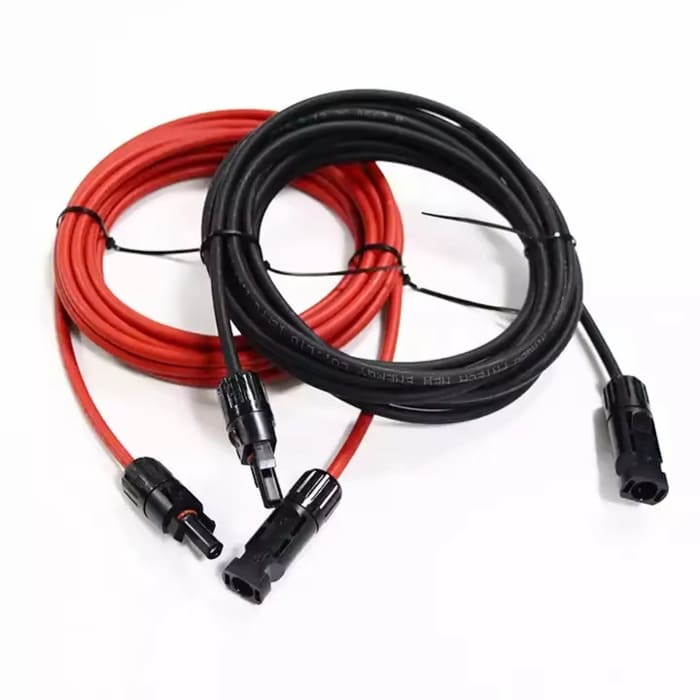
*Compatible Connector
*AC/DC Combiner Box
*AC/DC Breaker