Smart film products offer a range of control options, from simple manual switches to advanced smart home integration, providing flexibility for different user preferences and applications.
Common Control Methods
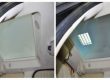
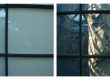
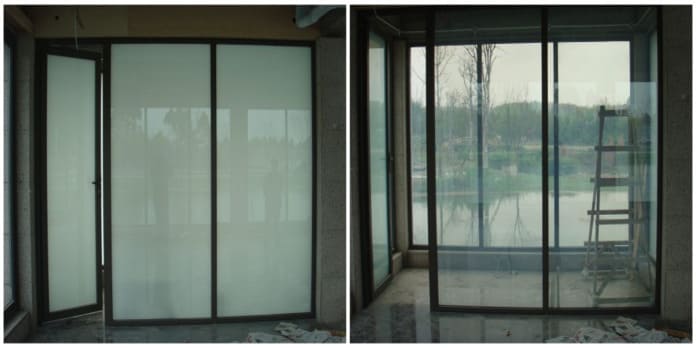
The most fundamental way to control smart film is by toggling its electrical power source on or off. This toggling aligns or randomizes the liquid crystals within the film, instantly switching it between transparent and opaque states. This basic principle enables several user-friendly control methods:
Traditional Wall Switches: A simple, hardwired switch is a standard and reliable option for controlling the film in a specific room or area.
Remote Controls: For convenient operation without needing to be near a wall switch, many systems come with or are compatible with handheld remote controls.
Mobile Apps: A very common modern solution is a dedicated smartphone application. These apps often connect to a controller via Wi-Fi or RF (Radio Frequency), allowing you to control the film, set schedules, and sometimes even adjust dimming levels from anywhere.
The control methods for smart film and switchable glass have evolved from simple on/off switches to sophisticated, multi-layered systems that respond to user preferences, environmental conditions, and integrated building management. Traditional wall switches provide reliable, straightforward operation, while remote controls offer convenient wireless management. Mobile applications represent the digital frontier, enabling global control and scheduling capabilities. The integration with smart building automation and IoT technologies represents the future, creating responsive environments that balance privacy, energy efficiency, and user comfort. As these technologies continue to advance, the control of switchable glass will become increasingly seamless, intuitive, and integrated into our daily lives